Dental Tourism in Novi Sad, Serbia
August 26, 2026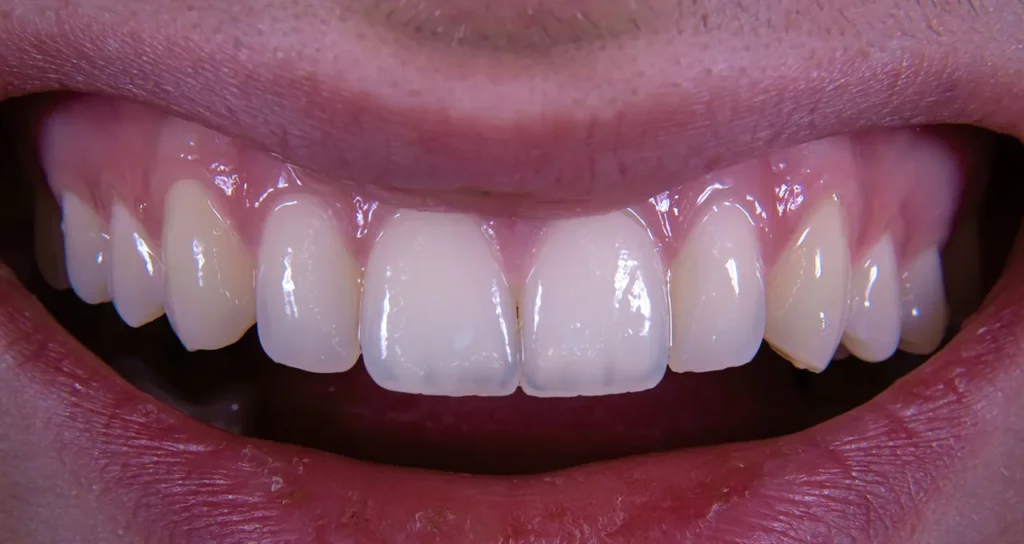
Glass-Ceramics vs. Zirconia: Which is Best for Front Teeth?
When it comes to enhancing your smile, your front teeth take center stage. They are the most visible element whenever you smile, speak, or laugh, making natural aesthetics, harmony with surrounding teeth, and precise tooth proportions essential for a breathtaking result.
Whether you are dealing with a chipped or broken tooth, noticeable discoloration, an old worn-out restoration, or simply want to achieve a flawless smile with veneers or crowns, modern cosmetic dentistry offers remarkably lifelike solutions.
Among the all-ceramic, metal-free materials used in advanced restorative dentistry today, two options dominate the conversation: glass-ceramics—most notably lithium disilicate ceramics like IPS e.max—and zirconia (zirconium dioxide).
While both materials deliver exceptional functional and aesthetic outcomes, their physical and optical characteristics differ significantly. The core question is not simply which material is objectively “better,” but rather: which material is the perfect match for your specific tooth and unique aesthetic goals?
What is Glass-Ceramics?
Glass-ceramics represent a premium class of dental ceramics widely celebrated in aesthetic dentistry for their unparalleled optical fidelity. Lithium disilicate is the gold standard within this material category.
Its distinct advantage lies in its extraordinary ability to transmit, reflect, and refract light almost identically to natural human tooth enamel. Restorations crafted from high-quality glass-ceramics possess a natural translucency, opalescence, and visual depth that render them virtually indistinguishable from natural teeth.
Depending on your clinical needs, glass-ceramics are ideal for crafting custom veneers, inlays, onlays, and single crowns—especially in the high-visibility smile zone.
Key Advantages of Glass-Ceramics for Front Teeth
- Exceptional Optical Performance: Provides natural translucency and depth of color, vital for authentic front-teeth aesthetics.
- Unrivaled Lifelike Appearance: Seamlessly matches adjacent natural teeth under all lighting conditions.
- Minimal Tooth Preparation: Enables ultra-thin veneers (0.3–0.5 mm), preserving maximum natural tooth structure.
- Strong Adhesive Bonding: Chemically bonds to enamel and dentin via specialized adhesive protocols, creating a unified, robust structure.
- Outstanding Biocompatibility: 100% metal-free, hypoallergenic, and extremely gentle on delicate gum tissues.
When is Glass-Ceramics the Preferred Choice?
Glass-ceramics are the ultimate choice when maximum aesthetic perfection is your top priority—particularly for porcelain veneers and individual front crowns. It works best when the underlying natural tooth stump is healthy and not severely discolored, allowing light to flow naturally through the restoration.
However, choosing the right material involves more than just visual appeal. Your bite alignment, remaining tooth tissue, tooth positioning, and habits like nighttime teeth grinding must all be carefully evaluated.
What is Zirconia?
Zirconia (zirconium dioxide) is a high-performance ceramic renowned for its extreme toughness and mechanical resilience—often referred to in dentistry as “ceramic steel.”
Unlike older generations of opaque zirconia, modern **high-translucency and multi-layered zirconia** formulations combine impressive structural strength with natural visual appeal. As a result, zirconia is no longer reserved just for back molars; it is also widely used for specific front-teeth restorations.
Key Advantages of Zirconia for Front Teeth
- Superior Structural Strength: Highly resistant to fracturing, chipping, and heavy biting forces.
- High Masking Ability: Effectively covers severely discolored teeth, root-canal-treated teeth, or dark metallic posts.
- Ideal for Dental Bridges: The material of choice when replacing missing front teeth with multi-unit bridges due to its high flexural strength.
- 100% Metal-Free: Eliminates the unsightly dark gray lines near the gumline associated with traditional metal-fused crowns.
- Excellent Gum Health: Soft tissues adapt exceptionally well to smooth zirconia surfaces, promoting healthy gums.
When is Zirconia the Preferred Choice?
Zirconia is recommended when extra structural durability is required, when designing multi-unit front bridges, or when a dark, heavily discolored underlying tooth needs to be completely masked.
Modern zirconia comes in various formulations with different balances of translucency and strength. Your dentist will choose the exact variation tailored to your bite dynamics and aesthetic needs.
Glass-Ceramics vs. Zirconia: Head-to-Head Comparison
Both materials produce magnificent smiles, but their performance varies across key functional parameters:
1. Aesthetics and Light Translucency
Winner: Glass-Ceramics
Glass-ceramics mimic natural enamel light reflection with supreme accuracy. While modern high-translucency zirconia looks very natural, glass-ceramics remain the gold standard for vitality and lifelike warmth in single-tooth restorations.
2. Mechanical Strength and Durability
Winner: Zirconia
Zirconia takes the lead in raw strength. For patients with bruxism (teeth grinding), heavy bite pressure, or missing teeth requiring a bridge, zirconia offers superior protection against fractures.
3. Preserving Natural Tooth Structure
Winner: Glass-Ceramics
Because glass-ceramics can be crafted into extremely thin veneers, they allow for minimally invasive prep-less or ultra-conservative treatments, keeping your natural tooth tissue intact.
4. Masking Dark Underlayers
Winner: Zirconia
If your underlying tooth stump is dark brown or gray due to past root treatments or metal posts, glass-ceramics may let that darkness show through. Zirconia’s higher opacity effectively blocks dark backgrounds for a uniform shade.
Which Material is Best for Your Front Teeth?
There is no single “best” material for every patient.
The ideal choice depends on whether you need a veneer, crown, or bridge, the condition and color of your natural tooth stump, how much natural tooth structure remains, and the functional forces of your bite.
In general, glass-ceramics excel in single-tooth aesthetic zones demanding maximum translucency, while zirconia is the top recommendation for high-stress areas, multi-unit bridges, or heavily discolored teeth.
How Do We Select the Right Material for You?
A tailored material selection requires a comprehensive clinical evaluation. During your assessment, your dentist evaluates several vital factors:
- The health and volume of remaining natural tooth structure
- The baseline color of the tooth and presence of deep discoloration
- Tooth alignment, shape, and bite occlusion
- Signs of bruxism or heavy functional biting loads
- The type of restoration needed (veneer, single crown, or bridge)
- Your personal aesthetic preferences and smile expectations
- Visual harmony with adjacent natural teeth
Why Schedule a Consultation at Dr. Rakić Dental Clinic?
While online research helps you understand your options, the final decision should always be made in consultation with experienced dental specialists.
At Dr. Rakić Dental Clinic in Novi Sad, every aesthetic transformation is guided by decades of clinical expertise and individualized patient care. Utilizing state-of-the-art CAD/CAM technology and digital smile planning, we thoroughly analyze your smile to select the exact material that balances beauty, strength, and long-term comfort.
Don’t compromise on your smile. Take the first step toward a natural, radiant transformation today!