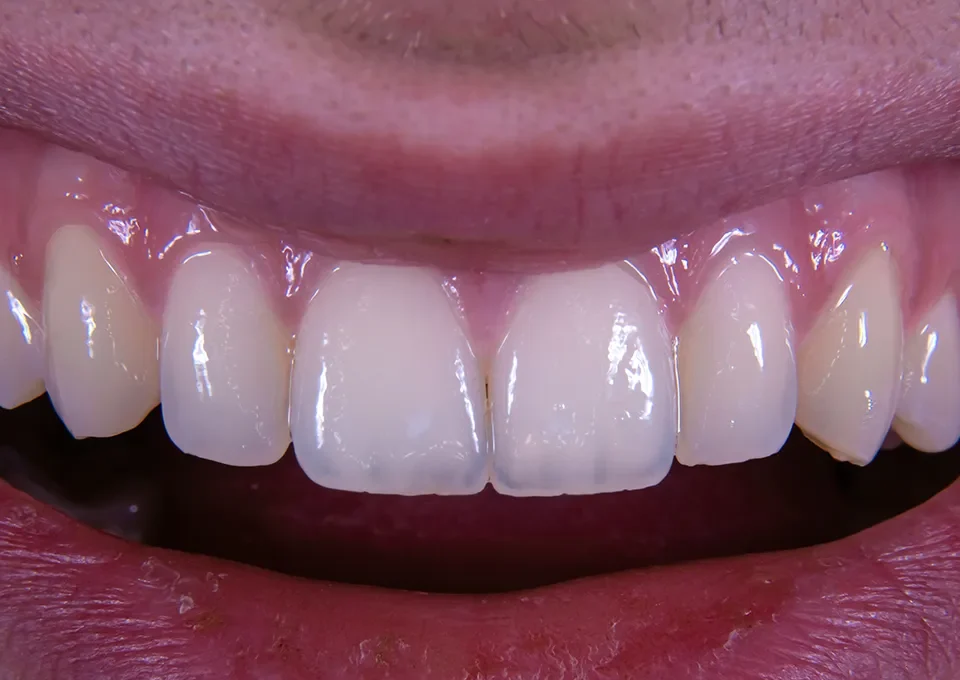
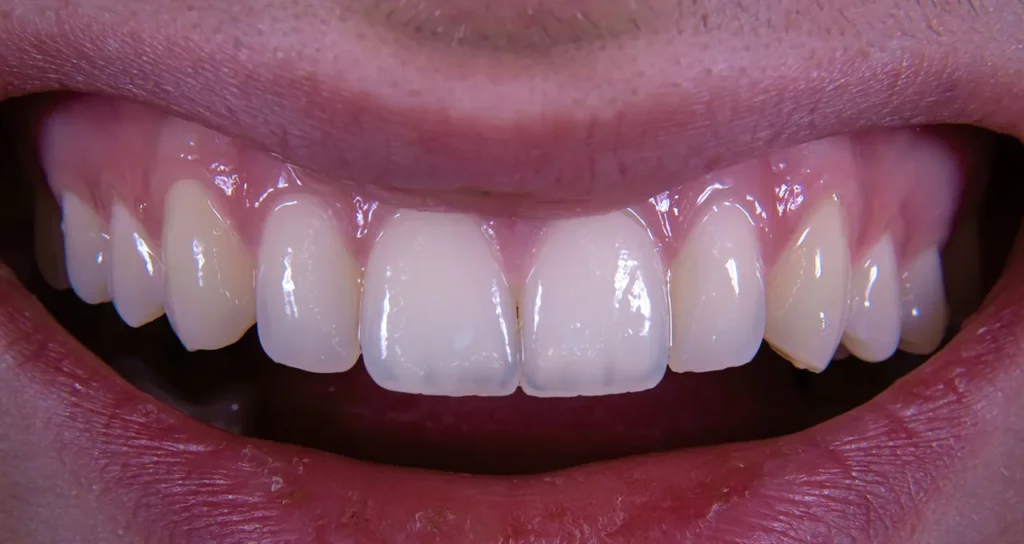
How Dr. Rakić’s Clinic Transformed My Smile and Life | Gordana J.’s Experience
July 8, 2025
The role of nutrition and dietary habits in oral health
September 10, 2025
Maintaining proper oral hygiene starts with a simple but extremely important habit – brushing your teeth. However, even though we repeat this routine every day, many of us make mistakes that can endanger the health of our teeth and gums. Sometimes these mistakes are the result of misinformation, and sometimes they are simply habits we developed in childhood.
In this article, we will go through the most common mistakes and explain how to fix them, so that your teeth stay healthy and beautiful for as long as possible.
1. brushing with too much pressure
Many people think that stronger pressure will remove plaque more effectively, but the truth is the opposite. Brushing too hard can damage the enamel (the protective layer of the tooth) and cause gum recession, which leads to tooth sensitivity and a higher risk of cavities.
solution: use light pressure and let the bristles of the toothbrush do the work.
2. choosing the wrong toothbrush
A toothbrush that is too hard can damage gums and enamel, while a brush that is too soft, if not used correctly, may not remove enough plaque.
solution: the best choice is a soft or medium-bristled toothbrush with rounded bristles. It is recommended to replace it every 3 months or sooner if the bristles fray.
3. brushing too little or too often
Skipping brushing leads to plaque buildup and cavities, while overbrushing (more than 3 times a day) can wear down enamel and irritate the gums.
solution: brush your teeth twice a day – in the morning and before bed. After meals, rinse your mouth with water or an alcohol-free mouthwash.
4. incorrect brushing technique
Quick horizontal “scrubbing” does not clean all surfaces and can damage the gums.
solution: hold the brush at a 45-degree angle to the gum line and use small circular motions, cleaning the outer, inner, and chewing surfaces of the teeth.
5. forgetting the inner surfaces of teeth
Most people only brush the outer and chewing surfaces, while the inner surfaces (facing the tongue) are often neglected.
solution: give equal attention to all sides of every tooth, including the inner surfaces of the front teeth, which should be brushed with vertical strokes.
6. brushing for too short a time
The average brushing session lasts only about 30 seconds, while the recommended time is around 2 minutes.
solution: use a timer, hum a short song, or use an electric toothbrush with a built-in timer.
7. skipping dental floss
A toothbrush cannot remove plaque between teeth, where cavities most often form.
solution: use dental floss or interdental brushes at least once a day, preferably in the evening.
8. rinsing your mouth immediately after brushing
If you rinse your mouth with water right after brushing, you wash away the protective layer of fluoride from the toothpaste.
solution: after brushing, just spit out the excess paste. If you want to rinse, use a fluoride mouthwash, but not immediately – wait at least 30 minutes.
conclusion
Brushing your teeth is a basic but essential habit for maintaining oral health. Small changes in technique and the choice of tools can make a big difference. With proper hygiene and regular dental checkups, your teeth can stay healthy, strong, and beautiful throughout life.