Tooth Brushing Mistakes and How to Fix Them
February 20, 2026
Electric or Manual Toothbrush – Which One Cleans Better?
April 14, 2026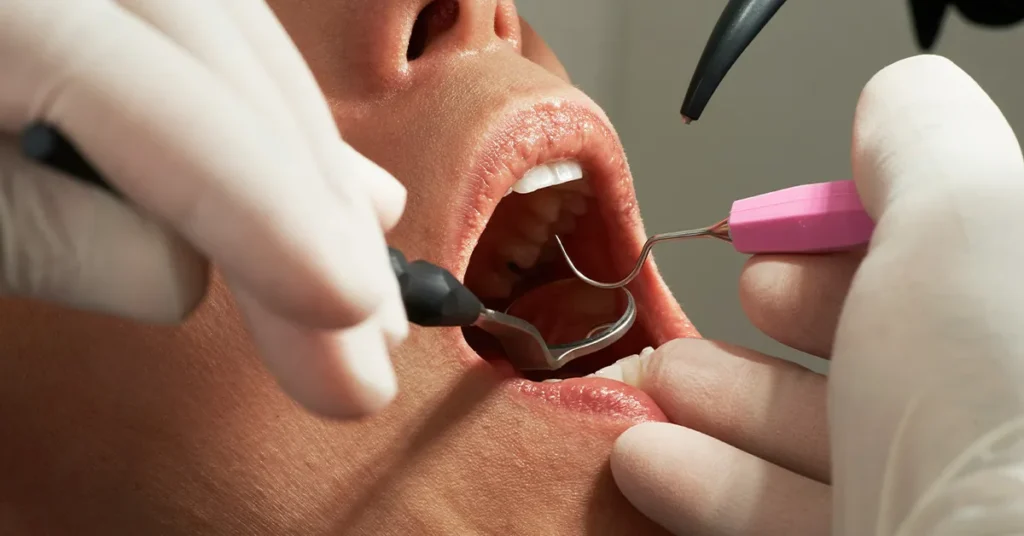
Maintaining good oral hygiene is one of the most important factors in preserving the health of your teeth and gums. Although daily brushing, flossing, and using mouthwash significantly contribute to oral health, there is a problem that often cannot be completely solved with home care alone – the formation of dental tartar. That is why dentists recommend professional tartar removal as an important part of preventive dental care.
Dental tartar forms when soft deposits on the teeth, known as plaque, become mineralized due to minerals found in saliva. When plaque is not removed in time through proper brushing, it gradually hardens and turns into tartar that firmly attaches to the surface of the teeth. Unlike plaque, tartar cannot be removed with a toothbrush or dental floss, and professional cleaning performed by a dentist is required.
One of the most common questions patients ask is how often tartar should be removed. In most cases, dentists recommend this procedure every six months. This time interval allows deposits to be removed before they begin causing more serious problems with teeth and gums. However, the frequency may vary from person to person. In some individuals, tartar builds up faster due to the composition of saliva, dietary habits, or genetics, so the dentist may recommend cleaning every three to four months.
The importance of tartar removal is mainly reflected in the prevention of gum disease. When tartar forms around the gum line, it becomes an ideal place for bacteria to accumulate. These bacteria can cause gum inflammation known as gingivitis. Symptoms of gingivitis include redness, swelling, and bleeding gums during brushing. If this condition is not treated in time, it can progress into a more serious condition called periodontitis. This disease can lead to gum recession, loss of supporting tissue around the teeth, and even tooth loss.
In addition to health benefits, tartar removal also has an aesthetic significance. Tartar often becomes darker due to pigments from food and drinks such as coffee and tea, as well as from smoking. This can make teeth appear yellow or stained even if they are brushed regularly. After professional tartar removal, teeth become visibly cleaner and brighter, contributing to a more attractive smile and greater self-confidence.
The tartar removal procedure itself is quick, safe, and painless. It is usually performed with an ultrasonic device that breaks down hard deposits on the teeth, while the remaining tartar is removed with special dental instruments. Afterward, the teeth are typically polished so the surface becomes smooth and less suitable for plaque buildup. This procedure takes a relatively short time and represents one of the simplest ways to prevent serious dental problems.
It is important to emphasize that tartar removal is not a substitute for daily oral hygiene but rather an important addition to it. Regular and proper brushing at least twice a day, using dental floss, and occasionally using antibacterial mouthwash help reduce plaque formation and slow down the development of tartar.
Regular dental check-ups also play a major role in maintaining oral health. During an examination, the dentist can detect early changes in the gums or teeth and recommend appropriate measures in time. Professional teeth cleaning is often the first step in preventing complications that may require much more complex and expensive dental treatments.
For all these reasons, tartar removal should be viewed as part of regular oral care. Timely removal of deposits not only protects the health of teeth and gums but also contributes to a brighter smile, fresher breath, and an overall feeling of cleanliness in the mouth. Regular dental care is an investment in long-term health and quality of life.